Custom Food & Beverage Boxes
Food and beverage boxes are food-safe printed cartons. Restaurants, bakeries, cafes, and CPG brands use them to hold, guard, and brand food and drinks.
To touch food, the stock and ink must meet US FDA 21 CFR 176.170 (paper and paperboard for wet and fatty foods). Packaging Vista prints them on food-grade SBS, virgin kraft, and food-safe corrugated. We use soy-based, low-migration inks in full CMYK or Pantone color.
We can add grease and moisture barriers for takeout, bakery, and hot food. The minimum is 100 boxes. No die or plate fees. You get a free digital proof and free US shipping in 8 to 10 business days.
Key takeaways
- Food-safe by default: FDA-compliant, food-grade stocks and food-contact-safe inks, with grease and moisture barriers where needed.
- Built for the category: bakery, takeout, beverage, cereal, and confectionery formats – printed to your spec.
- Low barrier: no die or plate fees, a 100-box minimum, free design and dielines, and an 8–10 day turnaround.
- Go deeper: read our custom food packaging guide.
- Get started: request a free quote with your product type, dimensions, and finish.
What are custom food and beverage boxes?
Custom food and beverage boxes are food-grade cartons built around a specific food or drink, not a stock size. "Custom" covers the shape, the food-safe stock, the print, and any barrier coat. Each part is tuned to keep the food fresh and the brand sharp.
Food packaging touches what people eat. So it must clear a higher bar than plain cartons. That means food-safe inks, FDA-compliant stocks, and barriers for grease and wet. Packaging Vista prints them in any shape on food-safe SBS, kraft, or corrugated stock with no die or plate charges.
Food and beverage box styles by product
The right shape depends on what goes inside. The table below maps common food and drink items to the right box. Links open the dedicated page.
| Product | Recommended packaging |
|---|---|
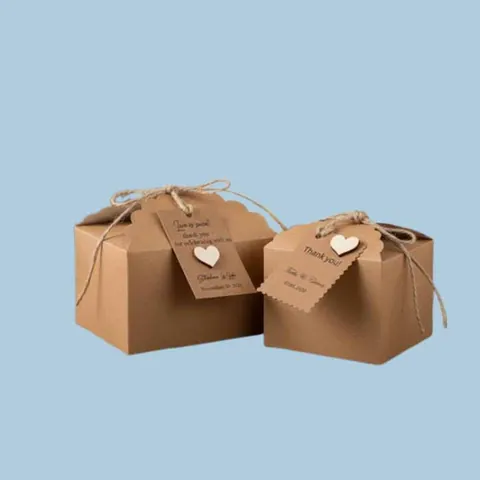
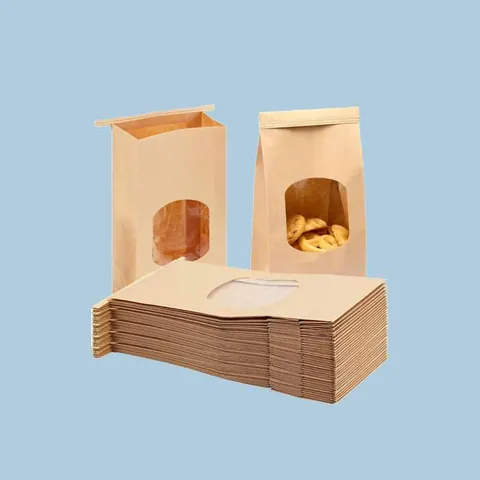
| Pastries & baked goods | Grease-resistant cartons with optional windows – see bakery boxes. |
| Cakes | Sturdy, tall cartons that protect tiers and frosting – see cake boxes. |
| Cupcakes & muffins | Insert-fitted boxes that hold each cup in place – see cupcake boxes. |
| Bottled & canned drinks | Divided cartons that secure glass and cans – see beverage boxes. |
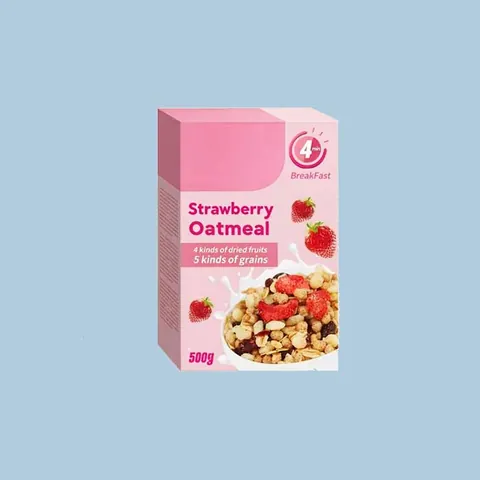
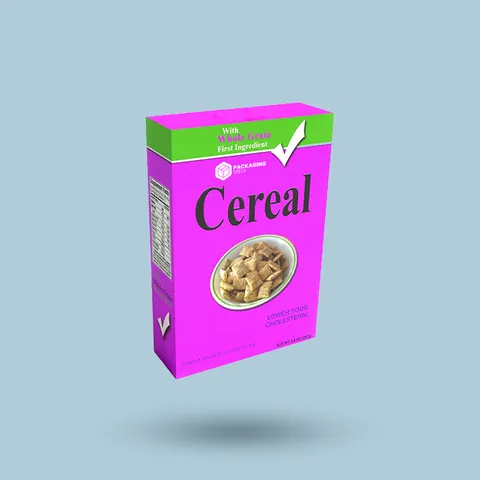
| Cereal & dry goods | Printed retail cartons with strong shelf presence – see cereal boxes. |
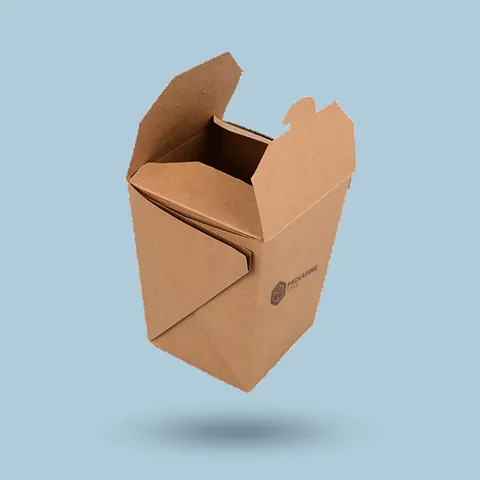
| Takeout & hot food | Leak- and grease-resistant folded cartons – see Chinese takeout boxes. |
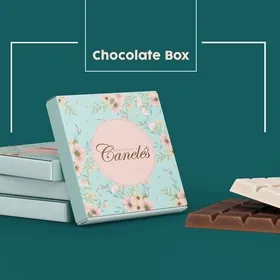
| Chocolate & confectionery | Premium rigid or windowed boxes with inserts – see chocolate boxes. |
What materials are food-safe for packaging?
Three stocks cover most food and drink SKUs. All meet FDA 21 CFR 176.170 for food-contact use.
| Stock | Feel | Barrier options | Best for |
|---|---|---|---|
| Food-grade SBS (18-24 pt) | Bright, smooth, retail | PE coating, grease-resistant | Cereal, confectionery, bakery cartons |
| Virgin kraft (18-24 pt) | Natural brown, uncoated | Grease-resistant, wax | Artisan, organic, coffee, bakery |
| E-flute corrugated | Sturdy, protective | Optional PE-lined liner | Beverage 4/6-packs, meal kits, shipping |
| Rigid chipboard (wrapped) | Thick, luxurious | Sealed wrap | Premium chocolate, tea, gifting |
Grease, moisture, and heat barriers
- Grease-resistant (GR) coat - a food-safe barrier that blocks oil for 60 to 120+ minutes at food-service heat. Standard for fried and buttery items.
- PE (polyethylene) liner - a thin food-safe film on the inside for wet, hot, or freezer use.
- PLA (compost) liner - a plant-based coat for brands that need food-safe plus commercial compost.
- Wax coat - the classic bakery and produce barrier. Water-safe but not oven-safe.
- Water or matte varnish - light guard for dry retail cartons.
How to package food safely (a checklist)
- Match the stock to the heat. Hot food needs PE-lined kraft or corrugated. Frozen items need moisture-safe, freezer-rated stock.
- Add a barrier for oily or wet food. Grease-resistant coat or PE liner stops soak-through and label damage.
- Right-size the dieline. A snug fit stops product shift, cracks, and leaks in transit.
- Use food-safe inks only. Soy-based, low-migration inks meet FDA 21 CFR 176.170. They print on the outside. The inside stays uncoated or lined.
- Add compliance panels. Ingredients, allergens, nutrition facts, net weight, and (where needed) UPC and country of origin.
- Test the closure. Auto-lock or 1-2-3 bottom for wet items. Tuck-top for dry retail cartons.
Only have a logo? Our free design team builds a food-safe, print-ready dieline around your product. Just note it on your quote request.
Are eco-friendly food boxes available?
Yes, and they land well with clean-label shoppers. Kraft, paperboard, soy inks, and right-sized boxes cut waste. They also back up a natural food story. Start with our eco-friendly boxes. Then ask us to match a recyclable, food-safe stock to your format.
Pricing, minimums, and turnaround
Packaging Vista charges no die, plate, or setup fees. The 100-box minimum suits new SKUs, seasonal items, and short runs. Every order includes free design help, a free dieline, and a 3D mockup. Standard production runs 8 to 10 business days after proof approval, with free US shipping.
Sourcing for a US food brand? See why brands pick a US food box maker. Learn why brands pick us on why choose us. Then request a free quote or contact our team.
Food packaging by service model: retail, QSR, cloud kitchen, and subscription
How the food gets to the customer changes the packaging brief more than the food itself.
Retail food packaging (bakery, snack, specialty food on a grocery shelf) needs shelf-ready structure, front-panel branding, and nutrition-facts space. Quick-service restaurants (QSR) need speed-of-assembly at pack-out: auto-lock and fold-and-close builds that a line worker can build in 2-3 seconds during a rush.
Cloud kitchens (delivery-only brands, often operating multiple brands from one kitchen) need packaging that survives 30-45 minute delivery times AND fits into a driver's insulated bag efficiently. Subscription food (meal kits, snack boxes, monthly gourmet) needs cold-chain-ready structure, insulation layers, and an unboxing experience that justifies the price.
A single brand often needs two or three of these models. A bakery might sell retail cookies on grocery shelves, direct-to-consumer subscription boxes, AND catering trays for corporate orders. We design a shared brand system across the whole line-up so the retail box, the delivery mailer, and the catering tray all read as the same brand family without duplicating tooling for every SKU.
FDA food-contact substances and third-party certifications (FSC, SFI, BPI)
Food-contact packaging in the U.S. has to use materials on FDA's food-contact substance list (or with a Food Contact Notification on file). Standard SBS paperboard, kraft paperboard, and E-flute corrugated with a food-safe coating are all on the list and are what we use for direct-contact food packaging.
Coatings matter: a poly-lined stock is food-safe out of the box, while an uncoated stock needs a food-safe barrier lacquer if it will touch greasy or moist food. Tell us the food type at quote time and we spec the coating.
Third-party certifications add credibility. FSC (Forest Stewardship Council) and SFI (Sustainable Forestry Initiative) certifications on the paperboard tell shoppers the forest fiber is responsibly sourced; BPI (Biodegradable Products Institute) certification proves industrial-compostable claims.
We work with FSC-certified paperboard on request at no material change; SFI is available on similar terms. For BPI certification, the specific coating and any adhesives have to be part of the certified stack, so plan that at design time rather than as an add-on.
Frequently asked questions
Are your food and beverage boxes safe for direct contact with food?
Yes. We print on FDA-compliant, food-grade stocks: SBS, virgin kraft, and food-safe corrugated. They meet US FDA 21 CFR 176.170 for food-contact use. Inks are soy-based and low-migration, printed on the outside. For hot, greasy, or wet food, we add a grease-resistant, PE, or PLA barrier on the inside.
What FDA rule covers food-contact packaging?
US FDA 21 CFR 176.170 covers paper and paperboard parts that touch wet and fatty foods. Compliant boxes use approved fibers, coatings, and glues with safe migration limits at contact heat. Our food-grade stocks and inks meet this rule.
What is the minimum order and are there setup or plate fees?
The minimum is 100 boxes with no die, plate, or setup fees. So food brands can test a new SKU or seasonal item without a huge overseas run.
How fast can I get my food and beverage boxes?
Standard production runs 8 to 10 business days after art and proof approval. Free US shipping is included. Rush is on the table for launches and events.
Can you make boxes for both dry foods and bottled or canned drinks?
Yes. We build dielines for dry food cartons, 4-pack and 6-pack drink carriers with glass or can dividers, meal kit shippers, and multipack retail cases. So one brand can pack a whole line with one look.
Do you offer grease-resistant and moisture-barrier options?
Yes. Grease-resistant coat, PE (polyethylene) liner, PLA compost liner, and wax coat are on the menu. They suit fried food, bakery goods, takeout, coffee, and hot drinks. We match the barrier to the heat and moisture of the product.
Are your food boxes microwave-safe or oven-safe?
PE-lined and standard-coated cartons are not microwave or oven safe. For heat-in packs, ask for uncoated virgin kraft with a PLA liner rated to your target heat. Or use a parchment liner insert. We flag the right spec for your reheat guide.
Can you print eco-friendly or compostable food packaging?
Yes. Kraft with soy inks and a PLA liner suits clean-label and green food brands. It works wherever food safety and product protection allow. Ask us to match a recyclable or compost stock to your format.
Can you print nutrition, allergen, and ingredient panels?
Yes. We set aside panels for legal content: ingredients, allergens, nutrition facts, net weight, UPC, and country of origin. We print them true to size and clear to read. You send the content. We lay it out in the dieline.
What is the difference between SBS and kraft for food cartons?
SBS (solid bleached sulfate) is a bright white board. Color pops on it. It is the retail-carton standard for cereal, bakery, and candy. Virgin kraft is unbleached natural brown. Craft, organic, and coffee brands pick it for the natural look. Both are food-safe.
Do you supply beverage carriers for cans and bottles?
Yes. We print 4-pack, 6-pack, and 12-pack carriers with die-cut dividers. They lock around glass or aluminum. Corrugated (E-flute or B-flute) is the standard for weight-bearing drink cases.
Are your food and drink boxes made in the USA?
Packaging Vista is a US-based packaging supplier headquartered in Cheshire, Connecticut. Our food and drink boxes are produced through our global production network, not in the US. Every order ships free across the US in 8 to 10 business days with US-based design and customer support.
What certifications should I ask for on food-safe packaging?
At minimum, confirm the paperboard and coating are on FDA's food-contact substance list. Beyond that, FSC or SFI certification adds a credible sustainability signal; BPI certification is required if you claim “industrial compostable” on the pack. Certifications should match the claims you make on the box; unsupported claims are a regulatory risk.
Can you make packaging for a cloud kitchen operating under multiple brand names?
Yes. Cloud-kitchen packaging often uses one shared dieline across two or three virtual brands with variable print artwork per brand. We can print short runs per brand on the same die, so the physical box is the same but the branding varies. This keeps tooling costs low while letting each virtual brand look independent to the delivery customer.
How do I handle compostable claims (BPI or ASTM D6400) vs 'recyclable' on the pack?
“Recyclable” means the box can go in a curbside recycling stream that accepts paperboard or corrugated. “Industrial compostable” (BPI or ASTM D6400 certified) means it breaks down in a commercial composting facility, not backyard compost.
Only make the claim your material actually supports; the FTC Green Guides treat unsupported claims as deceptive. We can advise on which claim your stack supports before you commit to on-pack copy.
Resources & tools
Free tools and trusted references to help you size, spec, and choose the right food & beverage boxes before you order.
Free tools & guides
- Food packaging by product – match the right food-safe box to what you sell.
- Packaging materials – compare SBS, kraft, corrugated, and rigid stocks.
- Box Size & Dimensional Weight Calculator – size your box and see the billable weight UPS, FedEx, and USPS charge.
Trusted references
- FDA — Packaging & Food Contact Substances – the federal rules on materials that touch food.
- FDA — Food Labeling & Nutrition – the federal rules for food product labels and nutrition facts.
- USDA — Food Safety & Inspection Service – federal food-safety guidance for meat, poultry, and processed foods.
- How2Recycle – the standardized on-pack recycling label for paperboard and kraft packaging.