Blog · By The Packaging Vista Team · June 20, 2026
Food Packaging by Product: Boxes for Bakery, Takeout, Beverages and More
Food is a broad category. A cake, a coffee bag, and a takeout meal each need a different box.
Food packaging by product is rarely one-size-fits-all. Bakery boxes, takeout boxes, beverage packs, cereal boxes, and confectionery cartons each solve a different mix of protection, food safety, and shelf appeal.
This article maps the main formats to the right custom food boxes from our food & beverage boxes range. It goes deeper than the box-styles section of our main food packaging guide.
Food packaging by product, at a glance:
- Bakery & cakes: window boxes and gable-top carriers with grease-resistant coating.
- Cupcakes & muffins: fitted inserts stop frosting from smearing on the wall.
- Bottled drinks: corrugated 4-pack/6-pack carriers with die-cut handles.
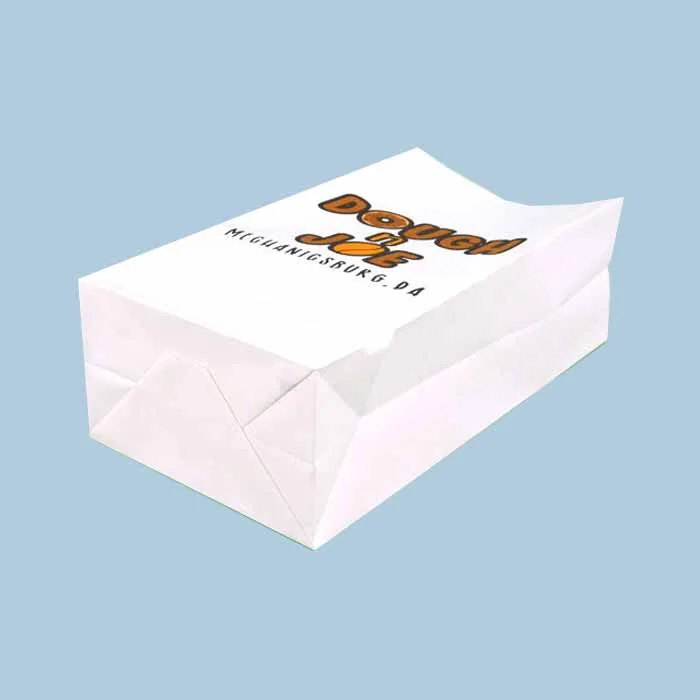
- Hot takeout: Chinese-style oyster pails or foil-lined cartons keep heat + block leaks.
- Cereal & dry goods: tall tuck-end cartons on SBS for full-panel branding.
- Chocolate & confectionery: rigid sleeve-and-tray for premium hero SKUs.
- Every food pack: FDA-compliant stock, food-safe inks, ingredient panel on a flat face.
Which box does each food product need?
| Product | Best pack style |
|---|---|
| Pastries & baked goods | Grease-resistant cartons, often windowed; see grease-resistant custom bakery boxes. |
| Cakes | Tall, sturdy cartons that shield tiers; see tall sturdy custom cake boxes. |
| Cupcakes & muffins | Insert-fitted boxes that hold each cup; see insert-fitted custom cupcake boxes. |
| Bottled & canned drinks | Divided cartons that hold glass and cans; see divided custom beverage boxes. |
| Cereal & dry goods | Printed retail cartons; see printed retail cereal boxes. |
| Takeout & hot food | Leak- and grease-resistant folded cartons; see leak-resistant Chinese takeout boxes. |
| Chocolate & confectionery | Windowed or premium boxes with inserts; see windowed premium chocolate boxes. |
What works for bakery and cakes?
Baked goods need grease resistance and protection.
Pastries suit grease-resistant cartons, often with a window to show the product. Cakes need tall, sturdy boxes that shield the frosting and tiers.
See our bakery packaging guide for the deep dive. Plus windowed bakery boxes for pastries and sturdy boxes for layered cakes.
A window lets the product sell itself. That is why so many bakery boxes are windowed. But it also means the carton must keep its shape. So the contents look as good on the counter as they did fresh out of the oven.
How do you pack cupcakes and muffins?
Cupcakes and muffins travel badly without support. Frosting smears and cups tip.
Insert-fitted boxes give each cup its own seat. So nothing slides into its neighbor. For a dozen, a divided tray keeps the order neat from the bakery to the table.
See insert-fitted cupcake and muffin boxes, and our box dividers and partitions guide for how the inserts are built.
What works for bottled drinks?
Bottled and canned drinks need divided cartons that keep glass and cans from knocking together.
Right-sizing matters here. Liquids are heavy. See divided beverage boxes for drinks.
The dividers do double duty. They stop breaks. They also keep labels facing forward for a clean retail look. Because the weight is packed in a small area, the board and the bottom closure must be built for the load, not just the footprint.
What holds up for hot takeout?
Takeout has to handle heat, grease, and moisture without falling apart.
Leak- and grease-resistant folded cartons (PFAS-free where possible) are the standard. See grease-resistant custom takeout boxes and our food-safe packaging guide.
The barrier is the whole game here. An oily or saucy meal will seep through an unprotected carton in minutes. So the coating must match the food.
Grease barriers are shifting away from PFAS chemistry. Ask for PFAS-free options to stay ahead of tightening rules.
What sells cereal and dry goods?
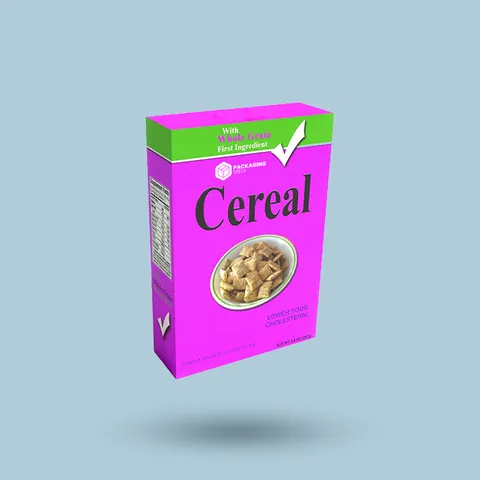
Cereal, snacks, and dry goods sell on the shelf. So the carton works hardest as branding – bright print and a strong front panel. See printed retail cereal cartons.
These are folding cartons first. They print on bright white stock so the art pops against rivals.
Confectionery leans premium, with windows or inserts. See premium chocolate and confectionery boxes. A chocolate or truffle box is as much gift as food. So finishes like foil and fitted trays earn their place.
What fits chocolate and confectionery?
Confectionery sits at the crossroads of food and gift. So the packaging works as hard on look as on protection.
A windowed carton lets truffles and bars show themselves. A fitted insert seats each piece so nothing shifts or smears in transit.
Premium finishes earn their place here. A box of chocolates is often bought to be given, not just eaten. See windowed chocolate gift boxes with inserts, and our inserts and unboxing guide for how the trays are built. For the most gift-forward lines, the finishes in our box finishes guide turn a confectionery carton into a keepsake.
How do you keep food packs green?
Food brands face rising pressure to cut packaging waste. The good news is that most food boxes are paper-based and recyclable to begin with.
The main levers are these. Pick recyclable or compostable barriers over plastic. Right-size the box to the product. Print on kraft or recycled stocks where the look fits the brand.
The one watch-out is the grease barrier. It is shifting away from PFAS chemistry. Picking PFAS-free options keeps you compliant and on-message. Our sustainable food packaging guide covers the recyclable and compostable choices for each format.
How do you match the box to service?
The fastest way to pick is to ask how the buyer gets the food. On a shelf. Across a counter. Or delivered hot.
Shelf products need print and structure. Counter service needs grease resistance and fast assembly. Delivery needs leak protection and a closure that holds up inside a bag.
Every one of these can be custom printed with food-contact-safe inks. So your brand travels with the food. For wraps and liners that go inside these boxes, see our food wrapping papers guide.
Frequently asked questions
What kind of box do I need for bakery items?
Pastries and baked goods do best in grease-resistant cartons, often with a window to show the product. Cakes need tall, sturdy boxes that shield the tiers and frosting. Cupcakes need insert-fitted boxes that seat each cup.
What packaging works for hot takeout food?
Leak- and grease-resistant folded cartons are the standard for hot or saucy takeout. Pick PFAS-free grease barriers where you can to stay ahead of changing FDA and state rules. Make sure the closure holds up inside a delivery bag.
How should bottled drinks be packaged?
Bottled and canned drinks need divided cartons that keep the containers from knocking together and breaking. Liquids are heavy. So the board weight and bottom closure should be built for the load.
Can all of these food boxes be custom printed?
Yes. Every format can be printed with your branding using food-contact-safe inks. There are no die or plate fees, a free dieline, a low 100-box minimum, and an 8–10 day turnaround.
What is food-contact-safe packaging?
Food-contact-safe packaging uses stocks, inks, and coatings cleared for direct or indirect contact with food. That means food-grade paperboard and kraft, water- or soy-based inks, and grease or moisture barriers rated for the temperature and fat content of the product. For hot takeout and buttery pastry it also means PFAS-free grease barriers, which are replacing older chemistry across the US.
How do I choose the right food box for my product?
Start with how the buyer gets the food. Shelf-sold cereals and confectionery need printed folding cartons that compete on branding. Counter-served pastries and takeout need grease- and leak-resistant folded cartons that assemble fast. Delivery needs a closure that holds in a bag.
Then check whether the item is fragile (cakes, cupcakes need inserts), heavy (bottled drinks need dividers), or gift-oriented (chocolate needs a windowed tray).
What are the benefits of matching the box style to the specific food product?
Damage rates drop when the structure fits: fewer smashed cupcakes, broken bottles, and grease-stained pastry cartons. Shelf performance goes up when the format matches how the item is bought – windows sell bakery and confectionery, printed cartons sell cereal.
Regulatory risk drops with barriers matched to the food. And you avoid over-spec: no reason to pay for a rigid gift box when a printed tuck-end will do.
How much does custom food packaging cost across formats?
Pricing is quote-based on size, stock, barrier, and quantity. There are no die, plate, or setup fees on the 100-box minimum. A plain kraft bakery tuck-end runs less than a windowed cupcake insert box, which runs less than a divided beverage carton or a windowed chocolate box with a fitted tray. Grease-resistant coatings add a small premium; PFAS-free versions are on offer at the same tier.
Tell us your product and how it is served. We will suggest a build and craft a free dieline. Start with our full food packaging guide, then request your free quote or contact our team.