Blog · By The Packaging Vista Team · June 20, 2026
Personalized & Limited-Edition Packaging: Small Runs, Big Impact
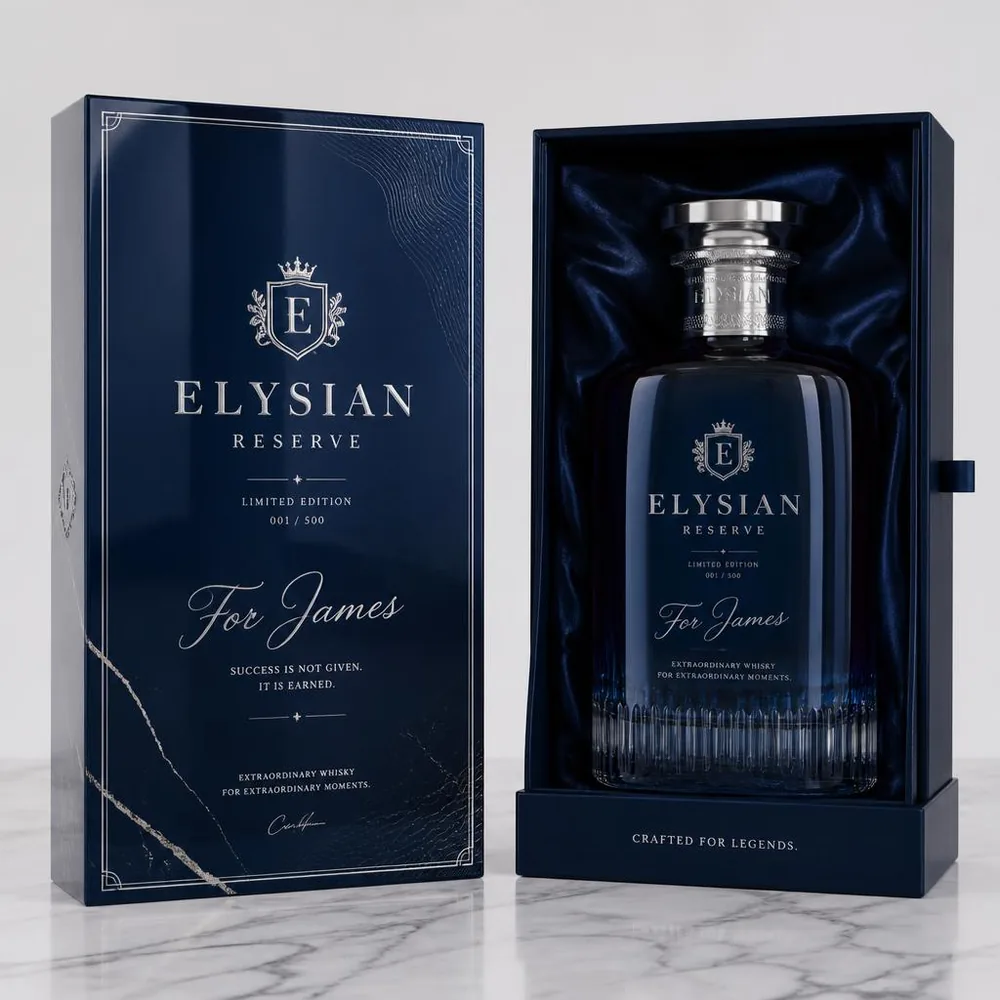
Personalized and limited-edition packaging drives shares and sales. Seasonal art, versioned designs, even names on a box – all beat a single fixed design.
Short-run, varied packs turn the box into a reason to buy and to post. That is why versioned packaging design is now a core tool for DTC and gifting brands – and why digital custom printing (which needs no per-version plates) is what makes it affordable. This piece goes deeper on the trend than our packaging trends guide.
Forms of personalization
- Seasonal & limited editions – holiday or campaign designs that create urgency and a reason to buy now.
- Versioned packaging – multiple designs across a product line, flavor, or collection.
- Names & messages – a personal touch for gifting and direct-to-consumer orders.
- Collaborations – co-branded or artist-edition runs that bring a new audience to your product.
Why personalization drives sales
Personal and limited packs pull on two levers at once: scarcity and identity. A “limited” or “seasonal” design signals that now is the time to buy. That nudges buyers off the fence.
A personal or versioned design makes the product feel made for the buyer. That deepens the bond and makes the buy stick in memory. Together the two turn a routine repurchase into something worth choosing, gifting, and talking about – without changing the product inside.
Why low minimums make it possible
Personal packs mean shorter runs of each design. That only works if minimums are low and setup is cheap. Our 100-box minimum and zero die or plate fees let you run several versions instead of one giant identical run.
This is the gap between a good idea and a doable one. A supplier that bills per-design tooling makes each new version too costly. With no setup fees, each variant pays its own way. See our low-MOQ guide and our setup fees guide.
How digital printing enables short runs
Short, varied runs work because of the print method. Digital printing skips the plates that offset needs. So swapping art between versions does not mean paying for new tooling each time.
That makes it cheap to print several designs at modest counts – a holiday edition, a few flavor variants, or a run of named boxes. We offer both offset and digital, so we pick the method that fits each campaign’s size and color needs.
Keep the brand consistent
Vary the art, but keep the shape and brand cues the same. Aim for one box with rotating designs.
Lock one box shape and one set of brand basics: logo spot, layout, and key colors. Then change only the parts that need to change for each version. That keeps your shelf and feed on-brand, simplifies work, and means a repeat buyer knows the box at a glance even when this season’s art is new.
Planning a versioned run
A little planning keeps a multi-version run smooth. Pick how many versions you need and the count of each, so we can right-size the run and quote it cleanly.
Build all versions on the same dieline. The shape is fixed and only the print changes. Keep must-have info and brand anchors in set spots across versions, and let the varied art live in set zones. Approving one master layout and then swapping art into it is far faster than starting each box from scratch.
| Element | Keep consistent | Vary by version |
|---|---|---|
| Structure / dieline | Yes – one box for all versions | No |
| Logo & layout | Yes – fixed placement | No |
| Artwork / color theme | No | Yes – the version’s identity |
| Needed info | Yes – same panel each time | No |
Where personalized packaging works best
Some fields get a big return from versioning. Gift brands gain from named or note-bearing boxes that make the buyer feel picked. Beauty brands thrive on season and collection editions that give loyal buyers a reason to keep buying.
Food and drink brands use limited flavors and holiday packs to drive trial. Subscription boxes lean on monthly versioned art as core to the experience – the shifting box is part of what buyers pay for. If your field rewards novelty, repeat buy, or social share, versioned packaging is worth the small extra work. See our subscription box packaging guide for one clear case.
Avoiding the common pitfalls
Versioning fails when it is an add-on, not a system. The biggest slip is changing the shape between versions. That multiplies tooling and slows work – keep one dieline.
The second slip is letting must-have info drift around the box. That risks rule breaks; lock it to a set panel. The third is over-versioning: making so many tiny variants that none gains any pull. A focused few well-made versions beats a scattershot dozen. Plan the run, lock the constants, and let only the art move.
Make it shareable
Limited editions and personal touches are what buyers photograph and post. So pair them with a strong unboxing.
A versioned outside plus a printed inside or a fitted insert turns the open into a moment worth sharing. That earns you organic reach a static box never would. See our inserts and unboxing guide for how to design that moment.
Frequently asked questions
What is the minimum for a personalized run?
Our minimum is 100 boxes. With no die or plate fees you can run several versions, not one giant identical order.
Can I print multiple designs in one order?
Yes. Build each version on the same dieline and use digital printing. That makes multiple designs work at modest counts. Tell us your versions and counts for a quote.
Will versioning my packaging cost a lot more?
We charge no setup, die, or plate fees. The main cost is the print, not tooling per design. That keeps short, varied runs cheap.
How do I keep my brand known across versions?
Lock the shape, logo spot, and key brand cues. Vary only the art. A steady box with rotating designs stays known at a glance.
What is the difference between personalized and custom packaging?
Custom packaging is the box built to your brand and specs, one design for the whole run. Personalized packaging goes one step further – each unit or short batch varies, whether by name, region, drop, or campaign. Both use the same base dieline.
How does variable-data printing work on packaging?
A digital press pulls names or codes from a spreadsheet and prints a different value on each box on the fly. No plate change between prints. It is the same technique that put different names on Coke cans, scaled down for short-run box work.
Can I put an individual customer’s name on each box?
Yes. Send a clean CSV of names or codes with the print position marked on the dieline. Digital presses handle it. Volumes over a few hundred usually earn a break, and lead time stays close to a normal run.
What are the best use cases for personalized packaging?
Limited drops, influencer seeding kits, corporate gifting, subscription boxes, holiday runs, and product-launch waves. Anywhere the buyer feels seen by a small touch – a name, a city, a milestone – the box earns more social shares.
Do subscription boxes benefit most from personalization?
Often, yes. A subscription buyer opens a box every month; small monthly variation keeps the unbox feeling fresh, cuts churn, and gives your social team new content each drop. It is the highest-ROI use of personalized printing.
Why is personalized packaging effective for driving sales?
It pulls two levers at once – scarcity (limited-edition signals urgency to buy now) and identity (a name, region, or campaign detail makes the product feel made for that buyer). Together they turn a routine repurchase into a considered choice worth photographing and gifting.
That is why holiday drops, named subscription boxes, and named-can campaigns beat their fixed-design equivalents on both conversion and social share.
How do I choose between limited-edition, versioned, and fully personalized packaging?
Match the format to your goal and volume. Limited edition (one alternate design, seasonal) is easiest and drives urgency. Versioned (several designs across a flavor line or collection) suits multi-SKU brands wanting shelf variety. Fully personalized (individual names or codes per box) suits gifting, influencer seeding, or subscription unboxings.
All three use the same base dieline; only art complexity and per-box print time change.
What are the benefits of digital printing for personalized packaging?
No plate change between designs, so short runs of many variants cost roughly the same per unit as one big run. Variable data (names, codes, cities pulled from a CSV) prints on the fly. Lead time stays close to a standard run. Color match is very close to offset for most brands. Digital removes the tooling barrier that historically forced brands into one giant identical order.
How much extra does personalized packaging cost vs a single-design run?
Because we charge no die, plate, or setup fees, personalized runs cost almost the same per unit as one identical run at the same total volume. The main add is design time if each variant has heavy art changes – simple swaps (name, season name, color theme) are basically free.
Variable-data name-per-box printing may add a small per-unit fee at volume, but under a few hundred units it usually lands within a standard quote.
Is personalized packaging worth it for a small DTC brand?
Yes when the box is part of the customer experience and gets photographed. A named or seasonal box drives more organic social reach than any marketing spend a small brand can afford. Skip it for pure warehouse-to-warehouse B2B moves where the box is opened once and discarded.
For gifting, subscriptions, and holiday drops, our 100-box minimum with no plate fees makes even a first personalized run viable.
Tell us your versions and counts. We will quote short runs with a free dieline and free design help – no die or plate fees, a 100-box minimum, and an 8–10 day turnaround. Start with our trends guide, then request your free quote or contact our team.