Blog · By The Packaging Vista Team · June 23, 2026
Custom Jewelry Boxes in the USA: Sourcing From a US Manufacturer
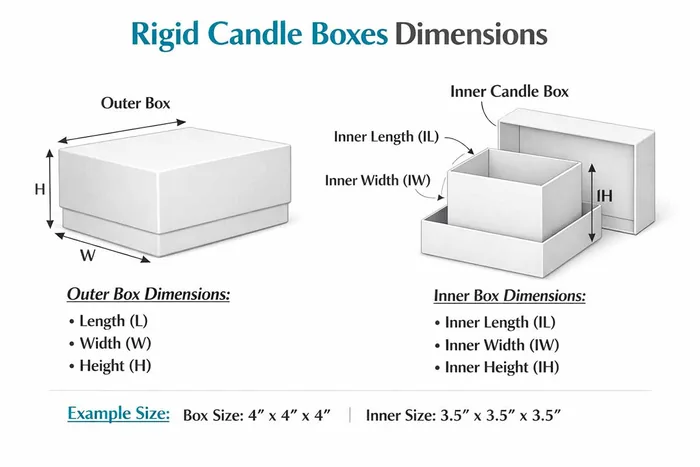
The one part that makes or breaks a jewelry box is the insert — the piece the buyer never notices when it is right. A ring should seat upright in its slot with the stone facing out. A necklace should drape across a pad with no tangle. A pair of studs should sit level and even.
When the fit is right, the open feels like a small ceremony. When it is off by two or three millimeters, even a pretty printed box feels cheap and the product branding it was meant to deliver falls flat. That is why jewelry retail packaging is all about precise foam and tight tolerances.
It is also the part Packaging Vista spends the most time on for the brands we work with from our shop in Cheshire, Connecticut.
| Attribute | Detail |
|---|---|
| Common structures | Rigid setup, drawer, magnetic-closure, tuck-end for chains |
| Insert | Foam-under-velvet or flocked EVA cradle |
| Board / wrap | 2–3 mm greyboard with satin, art paper, or leatherette wrap |
| Finishes | Foil-stamped logo, spot UV, emboss |
| Best-fit items | Rings, earrings, chains, watches, brooches |
| MOQ / lead time | 100 boxes / 8–10 business days |
How do you fit the insert to each piece?
We design the inside around your real items, not a generic slot. Based on your look and budget, that can mean:
- Ring slots in foam or EVA that grip the band and hold the stone up.
- Necklace pads and rolls that keep a chain flat and snag-free.
- Earring cards or pillows that seat a pair level and even.
- Satin or velvet-look facings over the foam for a jeweler’s-counter feel.
We cut and proof here in the US. So we can tune the fit fast. We confirm it on a 3D mockup and a real sample before the run. The insert that ships is the one you signed off on. Inserts also pair well with a solid reveal — see our magnetic-closure boxes for the snap-shut build.
Which box build should you pick?
The outer build sets the price tier and the drama of the open. We make the full range in the US:
- Rigid lid-and-base and magnetic boxes for a weighty, gift-ready feel.
- Drawer and slide-out boxes for a slow, staged reveal.
- Hinged clamshell ring and earring boxes for the classic snap.
- Folding cartons for low-cost lines and fashion jewelry sold at volume.
Rigid greyboard builds sit at the top end. Our rigid jewelry boxes and wider gift box range show how the heavier builds come together.
Which finishes read as luxury in hand?
A jewelry box is judged by touch as much as sight. So the surface finish matters more here than in almost any other type of box. We print full CMYK with Pantone matching. Then we layer the finish that signals value.
That can be soft-touch lamination for a suede feel. Or gold, silver, or rose-gold foil for a logo or monogram. Emboss or deboss adds a tactile mark. Spot UV gives select shine. The combo buyers reach for most is soft-touch plus foil — quiet until the light catches it. A good keepsake box also tends to stay on a dresser long after the sale. That keeps your brand in view.
Can you make a small run for a new collection?
You do not need import-scale volume to launch. We start at 100 boxes per design. We charge nothing for the die, plate, or setup. So a fitted insert, a custom slot, or an odd size adds no tooling cost. That is a real edge when you are testing a line.
Every order comes with a free dieline and 3D mockup. Free US shipping is included. Standard runs take about 8–10 business days after proof approval. Rush is on offer too. To see what moves the price on a quote, read our packaging cost guide.
Which jewelry brands do you package?
Fine and fashion jewelers come to us. So do engagement and wedding lines, watch brands, and curated gift-set sellers. The studio can be in Illinois, Ohio, California, New York, or anywhere else in the US. In each case, the box does part of the selling. That is what sets jewelry apart from ordinary custom boxes: here, the box is part of the product.
How do you start a jewelry box order?
Send us the pieces or their sizes. Tell us the build and finish you want, and the quantity. We turn that into a free dieline, a fitted insert layout, and a 3D mockup. You can then approve the seat and the look before we go to press. We build and ship your boxes.
Start with a free quote. Browse our jewelry box options. Or talk to the team.
Frequently Asked Questions
Can you cut a foam insert for an exact ring, necklace, or earring set?
Yes – that is the core of what we do for jewelry. We cut foam or EVA slots, necklace pads, and earring pillows to your specific pieces, often faced in satin or a velvet look, and confirm the seat on a 3D proof and a physical sample before the run.
What is the most durable closure for a ring box that gets handled a lot?
A hinged clamshell or a magnetic-closure rigid box holds up best to repeated opening. The clamshell gives the familiar snap, while the magnetic lid feels more substantial and resists popping open in a bag or display case.
Which finishes look most upscale for a luxury jewelry box?
Soft-touch lamination paired with gold, silver, or rose-gold foil stamping is the most-requested premium combination, often with embossing for a monogram. Spot UV and a rigid drawer or magnetic build add to the high-end reveal.
Can you do a small run for a new jewelry collection?
Yes. The minimum is 100 boxes per design with no die, plate, or setup fees, so an independent jeweler can launch or test a collection without committing to import-scale quantities.
Do you make matching pouches or outer gift boxes too?
We can pair a fitted jewelry box with a coordinating outer gift box or rigid set for gifting and e-commerce, all printed and finished to match. Just tell us how the pieces should nest together and we will draw it into the dieline.
Why is a fitted insert so important on a jewelry box?
The insert is what carries the buyer moment. A ring that seats upright with the stone facing out, a necklace that drapes without tangling, a pair of studs that sits level – all of that reads as considered and expensive. An insert that misses by two or three millimeters lets the piece rattle, tangle, or lean, and even a beautifully printed outer box feels cheap.
It also protects the piece in transit and on-shelf.
How do I choose the right outer build for my jewelry line?
Match build to price tier and reveal. Rigid lid-and-base or magnetic boxes for fine jewelry, engagement, and PR – heavy, gift-ready, keepsake-grade. Drawer or slide-out boxes when you want a staged reveal. Hinged clamshells for classic ring and earring boxes with the familiar snap. Folding cartons for fashion jewelry sold at volume. The insert stays fitted regardless of which outer shell you pick.
What are the benefits of ordering jewelry boxes from a US manufacturer?
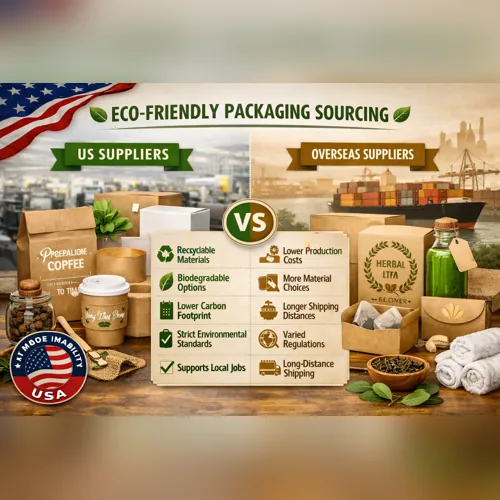
Insert tolerances are tuned on a domestic line, so the fit that ships is the one you signed off on. Restocks land in 8 to 10 business days instead of the 6 to 10 weeks overseas takes, letting small studios keep pace with holiday and engagement season.
Free US shipping and a 100-box minimum with no setup fees let a new collection launch without a container. Physical samples ship fast, so you can hold the box before committing.
What is the difference between a rigid lid-and-base and a magnetic-closure jewelry box?
Both use heavy greyboard for the weighty, keepsake feel. Lid-and-base uses a separate top that lifts off completely – a classic, ceremonial reveal that reads jeweler’s counter. Magnetic uses a hinged book-style build with hidden neodymium magnets that snap shut, reading more modern and reusable. Magnetic ships better once collapsible; lid-and-base holds shape a bit better as a long-term keepsake.
How much does a custom jewelry box cost with a fitted insert?
Pricing is quote-based on outer build, insert complexity, finish, and quantity, with no die, plate, or setup fees at the 100-box minimum. A printed folding carton with a foam ring slot sits at the low end. A rigid magnetic box with satin-faced foam, foil, and soft-touch sits at the high end. Independent jewelers can launch a collection at 100 units without warehouse-scale spend.
Which jewelry box style is best for engagement and wedding lines?
A rigid lid-and-base ring box with a satin-faced foam ring slot and a foil-stamped monogram is the industry standard. It reads keepsake-grade, holds the ring upright with the stone facing out, and stays on a dresser long after the sale – keeping the brand visible. Add a magnetic closure only if the box will be handled a lot, since the snap adds reuse appeal.
Is it worth spending more on the jewelry box than on a plain outer carton?
For fine jewelry, engagement, and PR seeding, yes – the box is part of the product and part of the story the buyer tells. A cheap outer carton undercuts the piece and the price you charged. For fashion jewelry sold at volume through discount channels, a printed folding carton with a simple foam slot is enough. The rule is: match the box tier to the price tier of what goes inside.