Blog · By The Packaging Vista Team · June 23, 2026
Custom Hemp Oil Boxes in the USA: Sourcing From a US Manufacturer
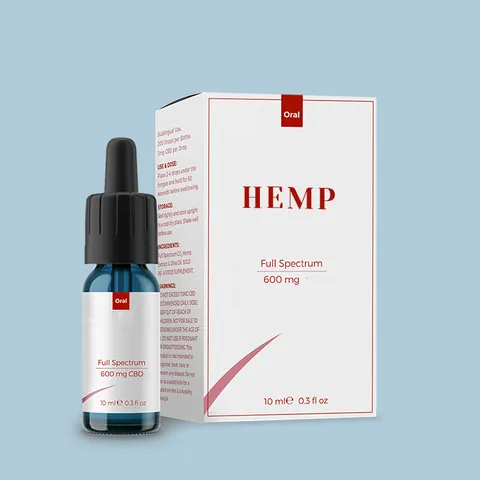
The product inside a hemp oil box is unusually harsh on packaging. It is a slim glass dropper bottle with a rubber bulb and a threaded cap. Often filled with an oil that stains and breaks down in light.
Get the carton wrong and you ship breakage, leaks, and spoiled oil. Get it right and the bottle arrives snug, shielded, and shelf-ready. Most of the work, then, is in the fit and the guard. Not just the print.
This guide covers how we size a tincture carton to your exact Boston round. How we keep light and movement off the glass. And how we lay out the milligram and ingredient panel. We make all of it in the US. The wider rules live in our CBD and hemp compliance guide.
How do you size the carton to your dropper bottle?
Hemp oil sells in a small set of bottle formats. The box has to hug whichever one you use. Standard 10, 15, 30, 60, and 100 ml Boston rounds each have a different height. And a glass dropper cap that adds length on top.
We build the dieline to your filled-and-capped sizes so the bottle stands upright with no slack. Then we confirm the fit on a free 3D mockup before a single carton prints. A carton that is even a few millimeters too tall lets the bottle tip and the cap loosen in transit. That is exactly the failure a snug box prevents.
| Bottle size | Typical use | Carton fit priority |
|---|---|---|
| 10 ml Boston round | Trial or sample tincture | Snug insert; small face for panel copy |
| 15 ml Boston round | Low-strength daily use | Snug insert; readable panel layout |
| 30 ml Boston round | Most popular retail size | Standard fit; premium finish room |
| 60 ml Boston round | Higher-strength or value size | Reinforced base for the extra weight |
| 100 ml Boston round | Bulk or professional use | Heavier board; consider rigid build |
How do you keep light and movement off the glass?
Two things damage tincture in transit: shock and light. We tackle both in the build.
A snug die-cut insert — foam, molded paper pulp, or folded rigid paperboard — cradles the bottle. So it cannot rattle against the walls or against a second bottle in a multipack. The folding carton itself blocks room light from reaching the oil on the shelf and in storage. That matters for an oil that can lose color and strength under UV.
For brands that want extra safety, a heavier paperboard or a rigid build adds crush guard for the glass. Our notes on foam versus paperboard inserts walk through which cradle fits which bottle.
How do you lay out the milligram and ingredient panel?
Hemp oil shoppers read the panel before they buy. So it has to be both in line with the rules and clear.
We lay out the total cannabinoid milligrams per bottle and per serving. The supplement or drug-facts style panel. The ingredient and carrier-oil list. Net contents, batch and lot numbers. The hemp-derived statement (the 2018 Farm Bill defines hemp as 0.3% THC or less). And any needed warnings.
All sized to stay clear on a small carton face. You confirm the exact wording your product and states need. We deliver the print-ready art, not legal advice. The point-by-point list is in our CBD label requirements guide.
How do you handle COA proof and batch coding?
Third-party lab results are a trust signal in hemp oil. We print a scannable QR code that links each batch to its Certificate of Analysis. So buyers can check strength and purity. The batch and lot codes change with every fill. So we set those fields up as a zone you can swap between runs without redoing the rest of the design.
What clean-label stocks and child-resistant options do you offer?
Wellness buyers respond to honest materials. We print on FSC-certified bleached board for a clinical look. Or uncoated natural kraft stock for a botanical one. Inserts can be molded paper pulp instead of foam for a fully recyclable carton.
Where your blend calls for it — higher-strength or THC-bearing oils, or certain state programs — we build child-resistant closures to the rule your market needs. The options are covered in our child-resistant packaging guide. Finishes from soft-touch lamination to foil and embossing let a tincture line look as premium as it is priced.
Common stock and finish choices for tincture cartons:
- FSC-certified bleached SBS – clinical, wellness-brand look.
- Uncoated natural kraft – botanical, clean-label feel.
- Molded paper-pulp insert – recyclable cradle in place of foam.
- Soft-touch lamination – premium hand-feel for high-strength blends.
- Foil accent or embossing – lifts a milligram badge or logo mark.
- Child-resistant closure – required in select states or for THC-bearing oils.
- QR-code panel zone – editable per batch for COA scans.
Are they made in the US, in small runs?
You do not need an importer’s volume to get a snug tincture carton. We start at 100 boxes with no tooling, plate, or setup charge. So a new bottle size or a label update is cheap to test.
Print runs take roughly 8 to 10 business days after proof sign-off. Rush is on offer. Every order ships free across the US with the dieline, insert, and 3D mockup at no cost.
See how the numbers move in our packaging cost guide. Then send your bottle size and quantity for a free quote or reach the team directly. Start from the hemp oil boxes page.
Frequently Asked Questions
Will the box fit my exact dropper bottle?
Yes. We build the dieline and insert to your filled-and-capped bottle dimensions, so a 10, 15, 30, 60, or 100 ml Boston round stands upright with no slack. You approve the fit on a free 3D mockup before anything prints.
How does the box protect the glass and the oil?
A snug die-cut insert in foam, molded pulp, or rigid paperboard cradles the bottle so it cannot rattle or knock against another bottle, and the folding carton blocks ambient light that would otherwise degrade the oil on the shelf. Heavier board or a rigid build adds extra crush resistance.
Can you lay out the milligram and ingredient panel?
Yes. We arrange the cannabinoid milligrams per bottle and serving, the facts panel, ingredient and carrier-oil list, net contents, batch and lot codes, hemp-derived statement, and warnings to stay legible on a small carton. You confirm the exact wording your product and states need; we produce the print-ready file. This is design support, not legal advice.
Can you add a COA QR code and swap batch codes between runs?
Yes. We print a scannable QR code linking each batch to its Certificate of Analysis, and we set the batch and lot fields up as an editable zone so you can update them run to run without redesigning the carton.
What is the minimum order for hemp oil boxes?
The minimum is 100 boxes with no die, plate, or setup fees, and production runs about 8 to 10 business days after proof approval. That makes it inexpensive to test a new bottle size or revise a tincture label.
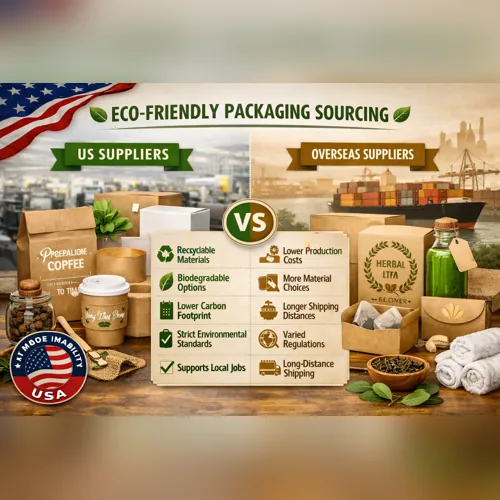
Why is ordering a hemp oil box from a US-based supplier worth the switch from overseas?
Hemp label rules move state by state and Farm Bill guidance can shift within a season. Our 8–10 business day turnaround lets you revise a milligram panel, add a COA QR, or update a warning without waiting on 6–10 week ocean freight or scrapping non-compliant stock. You also skip container-scale MOQs and keep the design chat direct with a US-based team.
What are the benefits of a snug die-cut insert vs. loose padding?
A molded pulp or die-cut paperboard insert holds the Boston round upright with no slack, so the cap does not loosen and the glass does not knock against a second bottle. Loose padding lets the bottle tip, which is exactly how leaks and breakage happen in transit. A fitted insert also blocks side-to-side movement that fatigues the dropper bulb over time.
How much do custom hemp oil boxes cost in the USA?
Pricing is quote-based and moves with bottle size, carton stock, insert type (foam vs. molded pulp), print coverage, and any finishes or child-resistant closures. Because we charge no die, plate, or setup fees, small 100-box runs stay accessible for pilot batches. Free US shipping is included, and the free dieline and 3D mockup mean the design work does not add a line to the quote.
Which stock is best for a hemp oil tincture line – kraft or bleached board?
Choose FSC-certified bleached board when you want a clinical, wellness-first look with photographic color for the dropper illustration and milligram panel. Choose natural kraft when your brand story is botanical, plant-based, or artisan – the muted brown reads honest at shelf. Both accept the same COA QR, batch code zone, and child-resistant closures, so the choice is aesthetic, not structural.