Blog · By The Packaging Vista Team · June 20, 2026
Supplement Packaging: Boxes for Bottles and Facts Panels
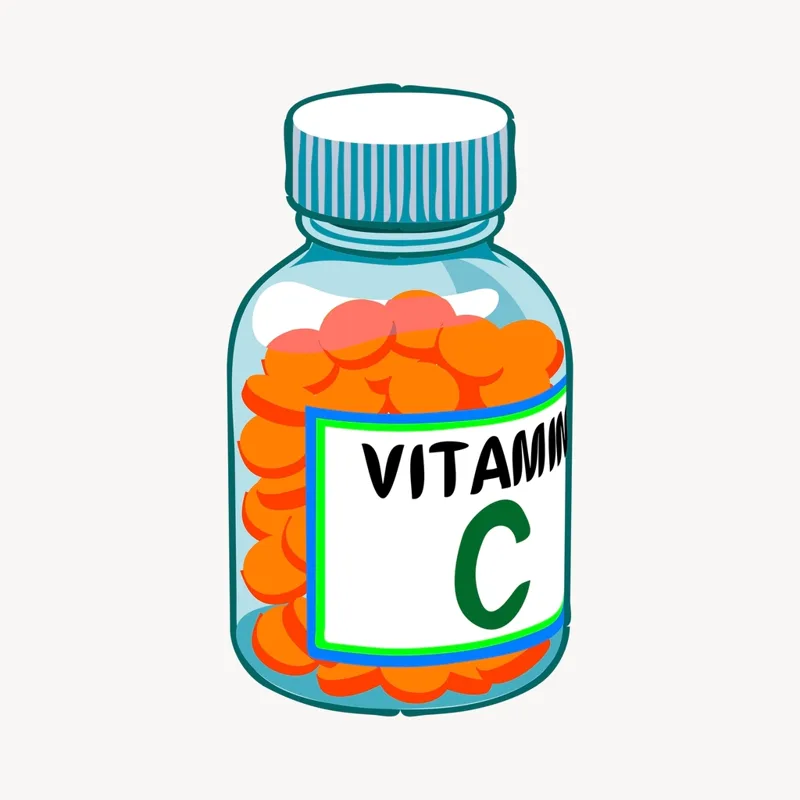
Supplement packaging has to do three things. Fit the bottle. Carry the label copy. And build trust with cautious buyers.
Vitamins, protein, and nutraceuticals go inside people’s bodies. So the box has to look credible. It must leave room for a Supplement Facts panel. It must also survive the shelf and the mail.
Good supplement packaging does all three while still standing out in a crowded wellness aisle. This piece goes deeper on supplements than our main retail packaging guide. We cover box styles, label rules, materials, packaging design, and finish – plus the product protection a glass or PET bottle needs on a long shipping run – for vitamin and supplement brands.
What box styles work for supplements?
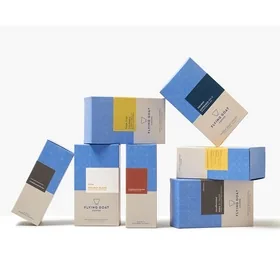
Most supplements ship in a folding carton sized to the bottle. It shields the bottle. It adds shelf presence. It also gives you printable sides the round bottle label cannot.
A carton lets you show the brand cleanly from any angle. It stacks neatly on a shelf. It also seals the product against tampering.
Premium lines, gift sets, and multi-bottle bundles can step up to premium luxury rigid gift boxes. That gives a more solid feel. For powders and tubs, a sturdier carton or sleeve suits the larger format. See the range at custom supplement boxes for bottles.
How do you make room for the Supplement Facts panel?
US dietary supplements must show a Supplement Facts panel. Add an ingredient list. Show the net quantity. Print the maker or seller name and address. And add any needed statements.
The carton must leave clean, legible space for all of it. So plan the panel layout early, not after the front-of-pack design is locked.
Give a full back or side panel to the Supplement Facts and ingredients. Keep type sizes readable. Make sure nothing key falls in a fold or glue area. Building the label copy into the dieline from the start avoids a costly redesign later.
What content must the label show?
| Element | Typically appears on |
|---|---|
| Product / statement of identity | Front panel |
| Net quantity of contents | Front panel, lower third |
| Supplement Facts panel | Back or side panel |
| Ingredient list | Adjacent to Supplement Facts |
| Manufacturer / distributor name and address | Back or side panel |
| Needed statements / disclaimers | Where applicable |
This piece is general info, not legal advice. Check current FDA dietary-supplement labeling rules for your product before you print.
How do you build trust through design?
Supplement buyers look for trust cues before they buy. So clear info, a clean layout, and quality materials help.
A clean, pro box shows a real brand. A cluttered or cheap-looking one raises doubt about what is inside.
Use a clear order: brand, product, key benefit, then backup detail. Do not crowd the front panel. Steady color coding across a line helps repeat buyers find the right SKU fast. It also makes your range look like a set family, not a pile of one-offs.
Trust cues shoppers scan for on a supplement box:
- Third-party testing badge – USP, NSF, or ConsumerLab if you have it.
- Clean-label callouts – non-GMO, gluten-free, vegan, or allergen-free where true.
- Made-in-USA statement if the product is manufactured domestically.
- Batch and lot code zone printed as an editable field.
- Manufacturer name and address on a side panel.
- Servings-per-container and dosage steps right by the Supplement Facts.
Which materials and finishes work?
SBS cardstock prints crisply. It gives a clean, trustworthy look that fits most mainstream supplement brands.
Kraft and recycled stocks suit natural, plant-based, and clean-label lines. The earthy look backs the positioning.
A matte or soft-touch finish adds a quality cue without looking flashy. A spot of foil or spot UV on the logo can lift a premium SKU. Keep finishes light. In this category, looking trustworthy beats looking loud. For an eco line, use a recyclable paper stock and water-based coating. That keeps the pack close to a single recyclable material.
How do you protect the product in transit?
Many supplement brands sell direct-to-consumer. So the carton has to do double duty. It works as retail pack and shipper. Or it sits inside a mailer.
A snug carton with a fitted insert keeps a glass or plastic bottle from rattling. It also keeps the cap from loosening. A tamper-evident seal shows the buyer the product arrived untouched.
If you ship many bottles, a split insert stops them knocking together. Right-sizing the box also trims dim-weight shipping cost on every order.
How do you design a scalable product line?
Most supplement brands launch with a few SKUs and add more. So design the first carton as a system.
Pick one box shape and one stock. Then vary color and product name across SKUs. New flavors or formulas slot into the family without a new dieline each time.
We hold your dieline and artwork on file with no die or plate fees. So growing the line later is fast and cheap. And your shelf set still reads as one family.
What are the common supplement box formats?
The bottle or tub drives the box style.
A standard pill or capsule bottle suits a straight tuck-end or reverse-tuck folding carton. Size it to the bottle. This is the cheapest and most-used format.
A dropper-bottle tincture or oil needs a taller, slimmer carton. It often needs an insert to keep the bottle upright and the dropper from shifting.
Powders and protein in tubs use a larger carton or a sturdy sleeve. Sample sachets and single-serve sticks can sit in a small printed carton or a counter display. Multi-bottle bundles and gift sets step up to a rigid box with a split insert.
Match the format to the bottle or tub. That keeps the box cheap to ship and easy to merchandise.
| Container | Suggested box format |
|---|---|
| Capsule / pill bottle | Tuck-end folding carton |
| Tincture / dropper bottle | Tall carton with upright insert |
| Powder tub | Sleeve or larger carton |
| Multi-bottle set | Rigid box with divided insert |
Frequently asked questions
Does my supplement box need a Supplement Facts panel?
Yes. US dietary supplements must show a Supplement Facts panel. Add an ingredient list. Show the net quantity. Print the maker or seller name and address. And add any needed statements. Plan a full panel for that copy early. Check current FDA rules for your product before printing.
What material is best for supplement boxes?
SBS cardstock prints crisply for a clean, trustworthy look. Kraft and recycled stocks suit natural and plant-based lines. A matte or soft-touch finish adds quality without looking flashy.
What is the minimum order for supplement packaging?
Our minimum is 100 boxes with no die or plate fees. So a new supplement brand can launch a single SKU cheaply. Pricing is quote-based on size, stock, and finish.
How do I choose the right supplement box format for my product?
Match the box to the container. A capsule or pill bottle wants a straight or reverse tuck-end folding carton sized to the bottle. A dropper-bottle tincture needs a taller slim carton with an upright insert. Powder tubs suit a sleeve or larger carton.
Multi-bottle bundles step up to a rigid box with a divided insert. Every format leaves clean panel space for the Supplement Facts – that stays fixed regardless of structure.
What are the benefits of custom supplement packaging over generic bottles with labels?
Three big ones: dedicated space for Supplement Facts and warnings that fits panel legibility rules (small stick-on labels crowd the panel); scalable design system where new SKUs slot into the same dieline with just color and name changes; and shelf presence that builds buyer trust in a category where trust is the whole game. A bottle-only pack reads amateur next to a boxed competitor at retail.
What is the difference between supplement packaging and OTC drug packaging?
Supplements use FDA Supplement Facts panels and cannot claim to treat, cure, or prevent disease. OTC drugs use Drug Facts panels with mandatory format, dosing, and warning sections, and can make specific therapeutic claims within labeled indications.
Structurally, OTC often requires child-resistant closures and tamper-evident seals; many supplements do too but for buyer trust rather than mandate. The panels look similar but the regulatory frames are different.
How much does a custom supplement box cost at 100 units?
Pricing is quote-based on box size, stock (SBS vs kraft vs recycled), insert (if any), and finish. A plain SBS tuck carton for a standard capsule bottle runs lower than a taller carton with an upright dropper insert and foil accent. Since we do not charge die, plate, or setup fees, launching two or three SKUs on the same base dieline (varying only color and product name) does not multiply your tooling cost.
Is investing in premium supplement packaging worth it at launch?
Yes when trust and shelf differentiation matter – which is almost always in supplements. Buyers scan the panel for facts, then decide from the pack’s finish and clarity. Soft-touch or matte lamination and a clean typographic hierarchy signal “reputable” faster than any marketing claim.
Skip only for pure back-end fulfillment SKUs sold via a subscription auto-refill where the customer already trusts the brand.
How do you order custom supplement boxes?
Tell us your bottle size and label needs. We will build a carton with room for it all. Free dieline. Free design help. No die or plate fees. And an 8–10 day turnaround. Start with our full retail packaging guide, then request your free quote or contact our team.