Blog · By The Packaging Vista Team · March 26, 2026
Soap Recipes: Cold Process, Hot Process, Melt & Pour & More
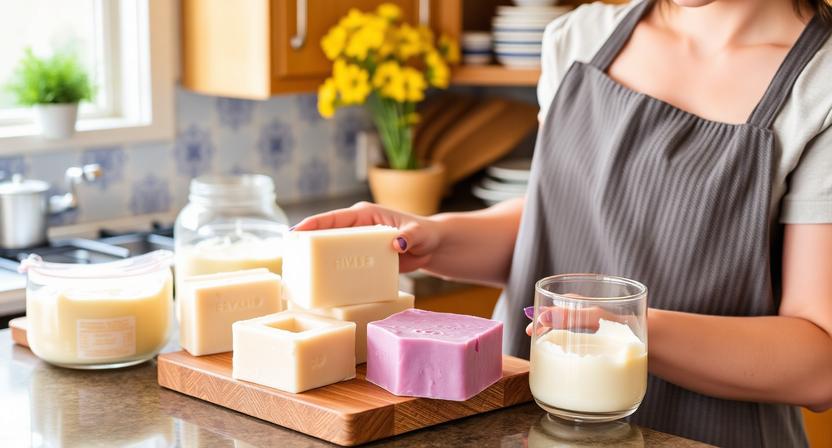
Soap making is a fun craft. It mixes art with chemistry. New to it or tuning your recipes? Knowing the main soap types matters.
This guide covers six clear soap-making ways: cold process, hot process, melt and pour, tallow or lard, liquid, and 100% coconut oil brine. Each has a full recipe, steps, and use.
What is cold process (CP) soap?
Cold process is the most common home-made soap way. It uses lye (sodium hydroxide) to react with oils. That step has a name — saponification. No outside heat is used past the first mix. The reaction makes its own heat.
Recipe: Classic Bastille Soap (Mild and Moist)
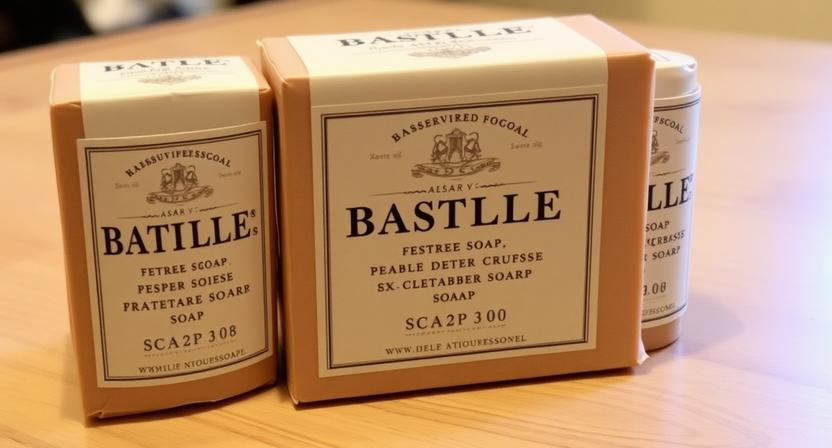 Classic Bastille Soap
This is a version of Castile soap (100% olive oil). A bit of coconut oil boosts the lather. It does not dry out the skin.
Yield: About 2 lbs (900g) of soap Lye Concentration: 33%
| Ingredient. | Weight (oz). | Weight (g). | Percentage. |
|---|---|---|---|
| Olive Oil. | 20 oz. | 567 g. | 75%. |
| Coconut Oil (76°F). | 5.3 oz. | 150 g. | 20%. |
| Castor Oil. | 1.3 oz. | 37 g. | 5%. |
| Sodium Hydroxide (Lye). | 3.4 oz. | 96 g. | —. |
| Distilled Water. | 7 oz. | 198 g. | —. |
| Essential Oil (Optional). | 1.5 oz. | 42 g. | —. |
Instructions:
-
Safety: Wear gloves and goggles. Mix lye into water (never water into lye) in a well-vented space. Allow to cool to 100–110°F (38–43°C).
-
Melt: Melt coconut oil (if solid) and combine with olive and castor oils. Aim for 100–110°F.
-
Mix: Slowly pour lye water into oils. Use a stick blender in short bursts until you hit "trace" (a pudding-like mix).
-
Pour: Pour into a mold, cover, and insulate with towels for 24 hours.
-
Cure: Unmold, cut into bars, and cure for 4–6 weeks to allow water to evaporate and the bar to harden.
What is hot process (HP) soap?
Hot process means cooking the soap in a slow cooker after you mix it. That speeds up the lye reaction. So the soap is safe to use right after it cools. A short cure still helps quality. The finished bars have a rustic, uneven look.
Recipe: Simple Hot Process Shaving Soap
This recipe is high in stearic acid from shea butter. It gives a creamy, stable lather. It also shields the skin during shaving.
Yield: About 1.5 lbs (680g)
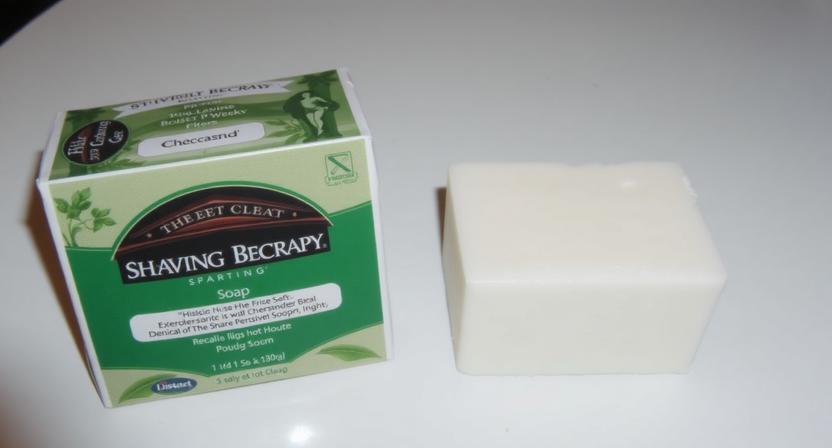 Shaving Soap
 | Ingredient. | Weight (oz). | Weight (g). | Percentage. |
|---|---|---|---|
| Beef Tallow (or Palm Oil). | 8 oz. | 227 g. | 50%. |
| Coconut Oil. | 4.8 oz. | 136 g. | 30%. |
| Shea Butter. | 3.2 oz. | 91 g. | 20%. |
| Sodium Hydroxide (Lye). | 2.3 oz. | 65 g. | —. |
| Distilled Water. | 5.5 oz. | 156 g. | —. |
Instructions:
-
Mix lye water and oils as in cold process.
-
Pour the mix into a slow cooker set to low.
-
Cook for 45–60 minutes. Stir every 15 minutes. The mix moves through steps: gel, then mashed potatoes, then a clear "Vaseline-like" texture.
-
Once the soap no longer zaps the tongue (a sign of no active lye), scoop into molds.
-
Let it cool and harden. The soap can be used right away. A 1–2 week cure still helps mildness and hardness.
What is melt and pour (MP) soap?
Melt and pour is the easiest way for new makers or for art soaps. You buy a pre-made soap base such as glycerin, shea butter, or goat milk. You melt it, add scent and color, then pour into molds. No lye handling is needed.
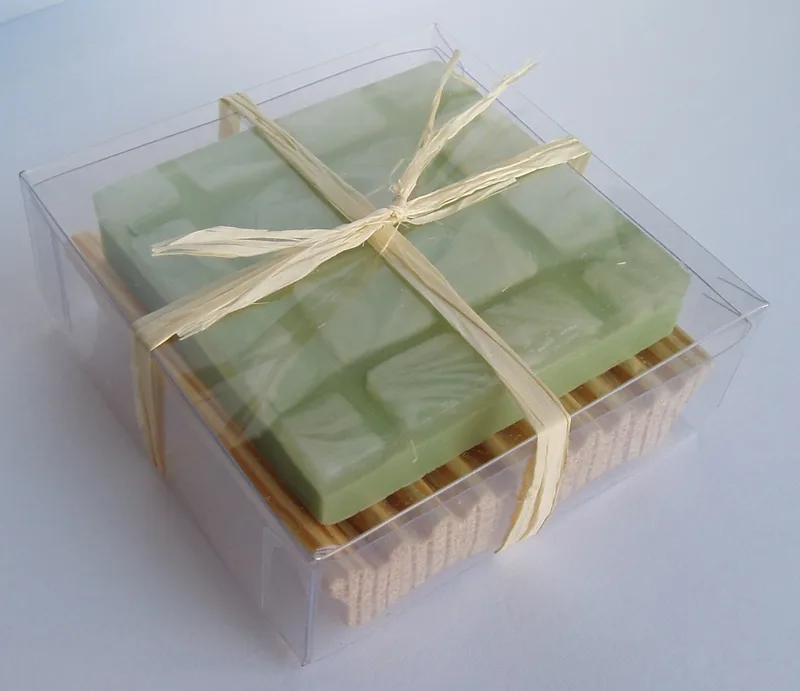
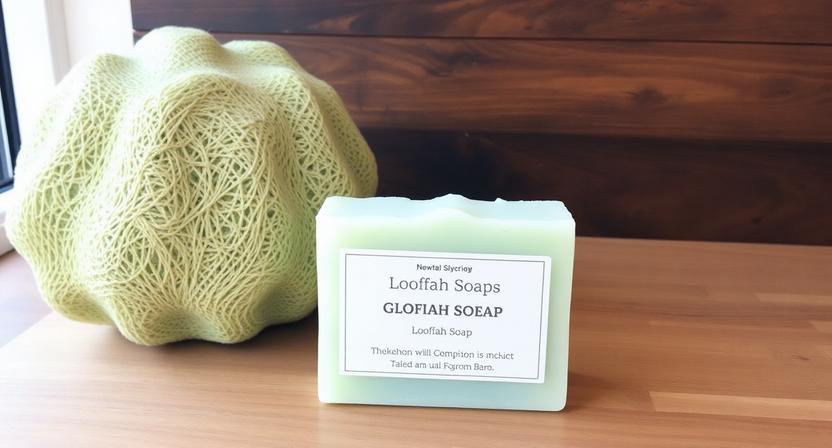 Glycerin Loofah Soap
Recipe: Glycerin Loofah Soap
| Ingredient. | Quantity. |
|---|---|
| Clear Glycerin MP Base. | 2 lbs. |
| Fragrance Oil. | 1 tbsp. |
| Loofah Discs. | As needed. |
| Cosmetic Colorant. | As desired. |
| Rubbing Alcohol (in spray bottle). | For bubble removal. |
Instructions:
-
Cut the base into small cubes. Melt in a microwave in 30-second bursts until fully melted.
-
Stir in scent and color gently to cut bubbles. Spray with rubbing alcohol to pop any top bubbles.
-
Place a loofah disc into the bottom of a round mold.
-
Pour melted soap over the loofah.
-
Spray the top with rubbing alcohol so the layers stick. Let it harden for 2–4 hours before unmolding.
What is tallow or lard soap?
Before plant oils were widely on sale, soap was made from rendered animal fats. These soaps make a hard bar. The lather is stable, creamy, and "lotion-like". It works great for sensitive skin.
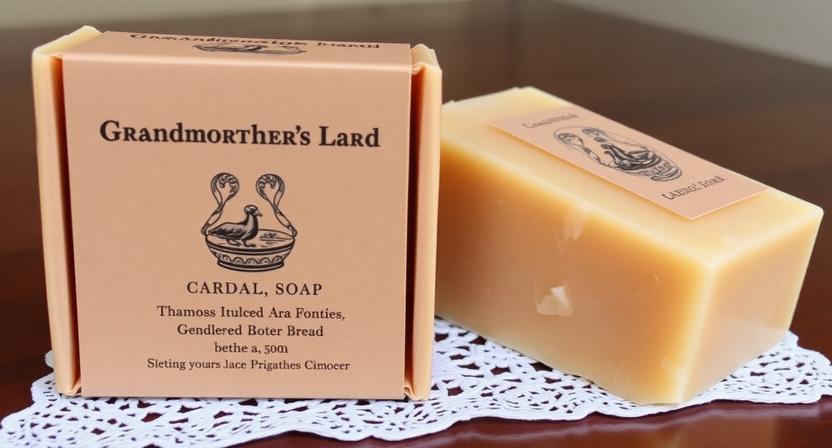 Grandmother’s Lard Soap
Recipe: Grandmother’s Lard Soap
| Ingredient. | Percentage. |
|---|---|
| Lard. | 80%. |
| Coconut Oil. | 15%. |
| Castor Oil. | 5%. |
| Superfat. | 5%. |
Why this works: Lard makes a very hard, mild bar. But it gives low bubbles. Coconut oil boosts lather. Castor oil adds staying power and a silky feel.
How is liquid soap made?
Liquid soap uses potassium hydroxide (KOH) in place of sodium hydroxide (NaOH). The result is a gel-like paste. You mix it with water to make liquid hand soap, body wash, or shampoo.
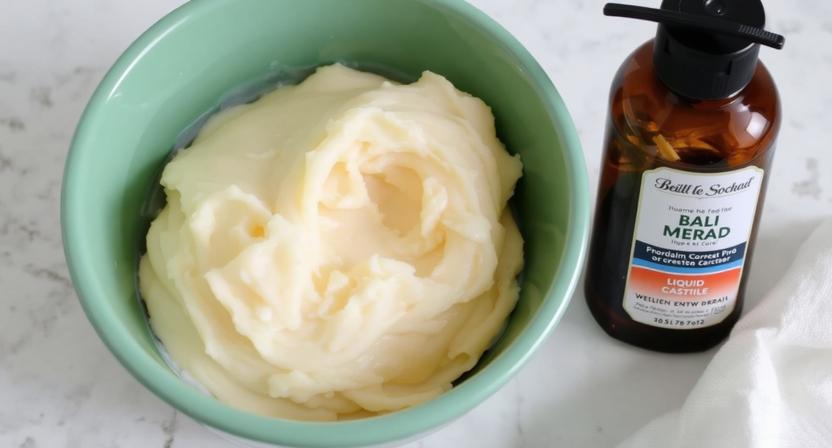 Basic Liquid Castile Soap Paste
Recipe: Basic Liquid Castile Soap Paste
| Component. | Details. |
|---|---|
| Oils. | 100% Olive Oil (pomace grade is recommended for faster trace). |
| Lye. | Potassium Hydroxide (KOH). |
| Dilution Ratio. | 1 part soap paste: 1.5 parts distilled water. |
Instructions Overview:
-
Combine oils and KOH lye solution, then blend to trace.
-
Cook (if using hot process) or allow to saponify over 24–48 hours until the paste tests neutral.
-
Thin the paste with distilled water. Stir until it fully melts.
-
Add preservative (if selling or for long-term storage) and fragrance.
What is 100% coconut oil salt soap?
This special recipe is built for oily skin. It also works as a heavy-duty kitchen or laundry bar. Coconut oil makes a very strong soap that can dry the skin. So we use a 20% superfat to keep the bar from drying out the skin.
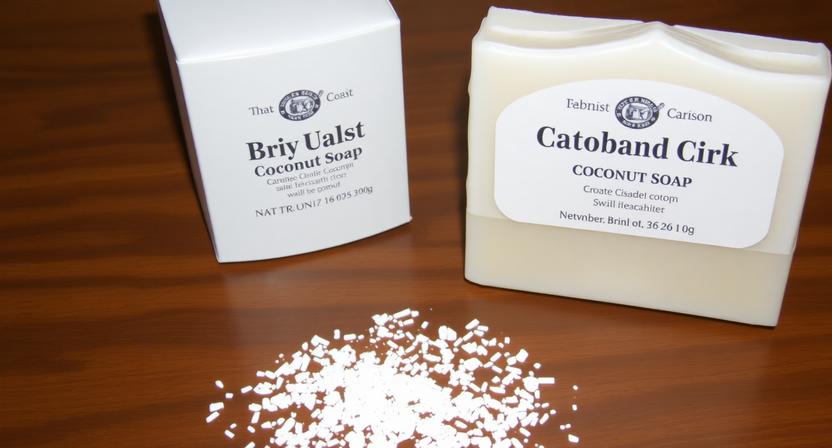 Brine & Coconut Soap
Recipe: Brine & Coconut Soap
| Ingredient. | Details. |
|---|---|
| Oils. | 100% Coconut Oil (76°F). |
| Superfat. | 20%. |
| Liquid. | Salt brine (dissolve 1 part sea salt into 1 part distilled water; use this as the total liquid amount). |
Note: This soap sets up fast. Mold right away once you hit trace.
How should you pack your soap?
The right pack shields your soap. It keeps its quality. It also makes it look great. Needs shift by soap type. They also shift by whether you sell it or gift it.
Quick soap-packaging checklist:
- Cure first, wrap later – wait 4–6 weeks for cold-process bars.
- Pick a breathable wrap – glassine, wax paper, or a paper belly band.
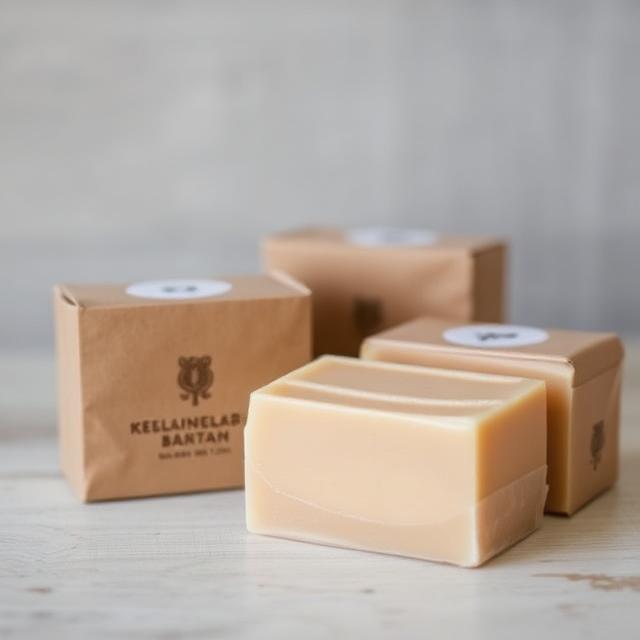
- Add a printed sleeve or window box for retail shelf presence.
- Include INCI, net weight, and maker name on every label.
- Skip fully sealed plastic for handmade CP soap – it traps moisture.
- Use kraft or recycled stock for a clean-label eco story.
1. Curing & Wrapping (Cold Process & Hot Process Soap)
| Requirement. | Details. |
|---|---|
| Curing First. | Cold process and hot process soap must cure for 4–6 weeks before packaging to allow excess moisture to evaporate. Packaging uncured soap traps moisture, leading to rancidity (DOS) and soft bars. |
| Breathable Wrapping. | During curing, soap should be stored on curing racks with airflow. Do not seal in plastic until fully cured. |
| Final Wrapping. | Once cured, wrap in food-safe wax paper sheets, glassine paper, or shrink wrap to protect from dust, humidity, and essential oil evaporation. |
2. Melt & Pour Soap Packaging
| Requirement. | Details. |
|---|---|
| Seal Immediately. | Melt and pour soap is glycerin-rich and attracts moisture from the air (sweating). Wrap tightly in shrink wrap or plastic wrap immediately after unmolding. |
| Avoid Humidity. | Store in a cool, dry place. If sweating occurs, wipe dry and re-wrap. |
3. Liquid Soap Packaging
| Requirement. | Details. |
|---|---|
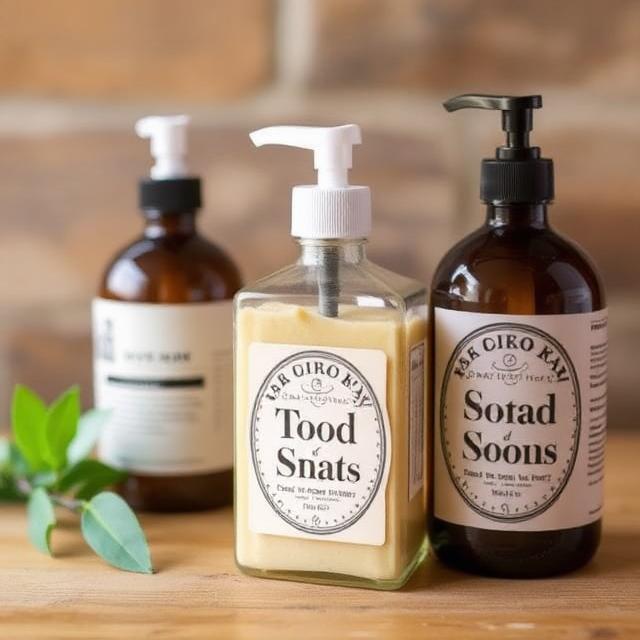
| Bottles & Pumps. | Use PET or HDPE plastic bottles for liquid soap. Glass is also suitable but may be slippery in wet environments. |
| Seals. | Foil seals or shrink bands provide tamper-evident protection for commercial sales. |
| Labeling. | Waterproof labels are essential as liquid soap is used near water. |
4. Commercial Labeling Requirements
If selling soap, most regions need the following on the label:
| Requirement. | Description. |
|---|---|
| Product Identity. | "Soap" or specific type (e.g., "Goat Milk Soap"). |
| Net Weight. | In ounces and grams. |
| Ingredients. | Listed in descending order of predominance (INCI names recommended). |
| Business Information. | Name and address of the manufacturer or distributor. |
| Warning. | "For external use only" is common practice. |
5. Green & Eco-Friendly Pack Options
| Option. | Description. |
|---|---|
| Naked Soap. | No packaging; sold as unwrapped bars with a paper band label. |
| Recyclable Cardboard Soap Boxes. | Biodegradable and recyclable; ideal for retail display. |
| Glassine Bags. | Grease-resistant and compostable; great for farmers markets. |
| Shrink Wrap Bands. | Bands made from recyclable LDPE or biolefin alternatives. |
Quick Guide: Packs by Soap Type
| Soap Type. | Packaging Need. | Best Option. |
|---|---|---|
| Cold Process. | Cured bar protection. | Glassine paper + paper band or shrink wrap. |
| Hot Process. | Moisture barrier. | Shrink wrap or wax paper + labeled box. |
| Melt & Pour. | Sweat prevention. | Immediate shrink wrap or plastic wrap. |
| Liquid Soap. | Leak-proof dispensing. | PET bottle with pump + waterproof label. |
| Gift / Retail. | Presentation. | Custom printed retail soap boxes or kraft paper boxes. |
Recommended Packaging Supplier
The right pack maker means your soap ships safe. It also looks pro. Top picks — shrink wrap bands, glassine bags, custom printed boxes, and water-safe labels — shield your product and lift its look.
For a wide range of custom soap packaging, including eco-friendly materials, custom labels, and retail-ready boxes, PackagingVista has a full set of supplies. It fits small-batch makers and larger soap brands.
Need breathable curing racks, tamper-safe seals, or branded gift boxes? PackagingVista has picks that shield your product and keep it looking great.
Summary of Soap Types
| Type. | Lye Type. | Difficulty. | Cure Time. | Best For. |
|---|---|---|---|---|
| Cold Process. | NaOH. | Intermediate. | 4–6 Weeks. | Customization, swirls, natural ingredients. |
| Hot Process. | NaOH. | Intermediate. | 1–3 Days (or none). | Rustic look, ready-to-use quickly, hard bars. |
| Melt & Pour. | None. | Beginner. | 1–2 Hours. | Crafting, kids, gifts, intricate embeds. |
| Tallow/Lard Soap. | NaOH. | Intermediate. | 4–6 Weeks. | Traditional, sensitive skin, hard bars. |
| Liquid Soap. | KOH. | Advanced. | 2–4 Weeks. | Hand soap, shampoo, bulk dispensers. |
| Coconut Oil Soap. | NaOH. | Intermediate. | 4–6 Weeks. | Oily skin, kitchen/laundry bars. |
Frequently asked questions
What is the difference between cold process and hot process soap?
Both use sodium hydroxide (NaOH) lye and vegetable oils. Cold process is mixed at low heat and cures for 4–6 weeks. That lets swirls, layers, and natural pigments shine. Hot process is cooked in a slow cooker for 45–60 minutes to force saponification. It gives a rustic, ready-in-1–3 days bar. Cold wins on looks. Hot wins on speed.
Which soap-making method is best for beginners?
Melt and pour. It uses a pre-made glycerin base with no lye handling. You cut, melt, scent, color, and pour. A finished bar hardens in 2–4 hours. It is safe for kids and craft nights. Once you are steady, step up to cold process for full control of oils, superfat, and swirl work.
Why is curing time so important for cold and hot process soap?
Curing lets extra water leave the bar. That hardens the soap, cuts the pH to skin-safe range, and makes lather milder. A wet, uncured bar is soft, may go rancid (DOS), and burns fast in the shower. Cold process needs 4–6 weeks on racks with airflow. Hot process is usable sooner but still gains from a 1–2 week cure.
How do I choose oils for a soap recipe?
Balance hardness, lather, and skin feel. Coconut oil boosts hard bar and big bubbles but can dry – keep it under 30% or bump the superfat to 20%. Olive oil gives a mild, moisturizing bar (Castile). Castor oil adds silky, stable lather at 5%. Lard or tallow gives a very hard, mild bar. Run every recipe through a lye calculator like SoapCalc for the exact NaOH or KOH.
Is it worth making your own soap at home?
For hobby, gifting, and small-batch selling – yes. You control oils, scent, color, and skin claims. Cost per bar drops well below premium retail. You also get a story buyers value at farmers markets and Etsy. If you plan to sell, pair your bars with custom soap packaging. Our 100-box MOQ, free dieline, and 8–10 day turnaround make branded launches easy.
Important Safety Note
Making cold process, hot process, liquid soap, or any soap that uses lye (sodium hydroxide or potassium hydroxide)? Always run your recipe through a lye calculator. Use one such as SoapCalc.net or Bramble Berry’s calculator. This makes sure the ratio of lye to water to oils is right for the exact brands and weights you use.
Lye is caustic. You need proper safety gear. Wear gloves and goggles. Work in a well-vented space.
For the complete picture on materials, box styles, and design, see our soap packaging guide.