Blog · By The Packaging Vista Team · April 27, 2026
Artificial Hair Extension Packaging
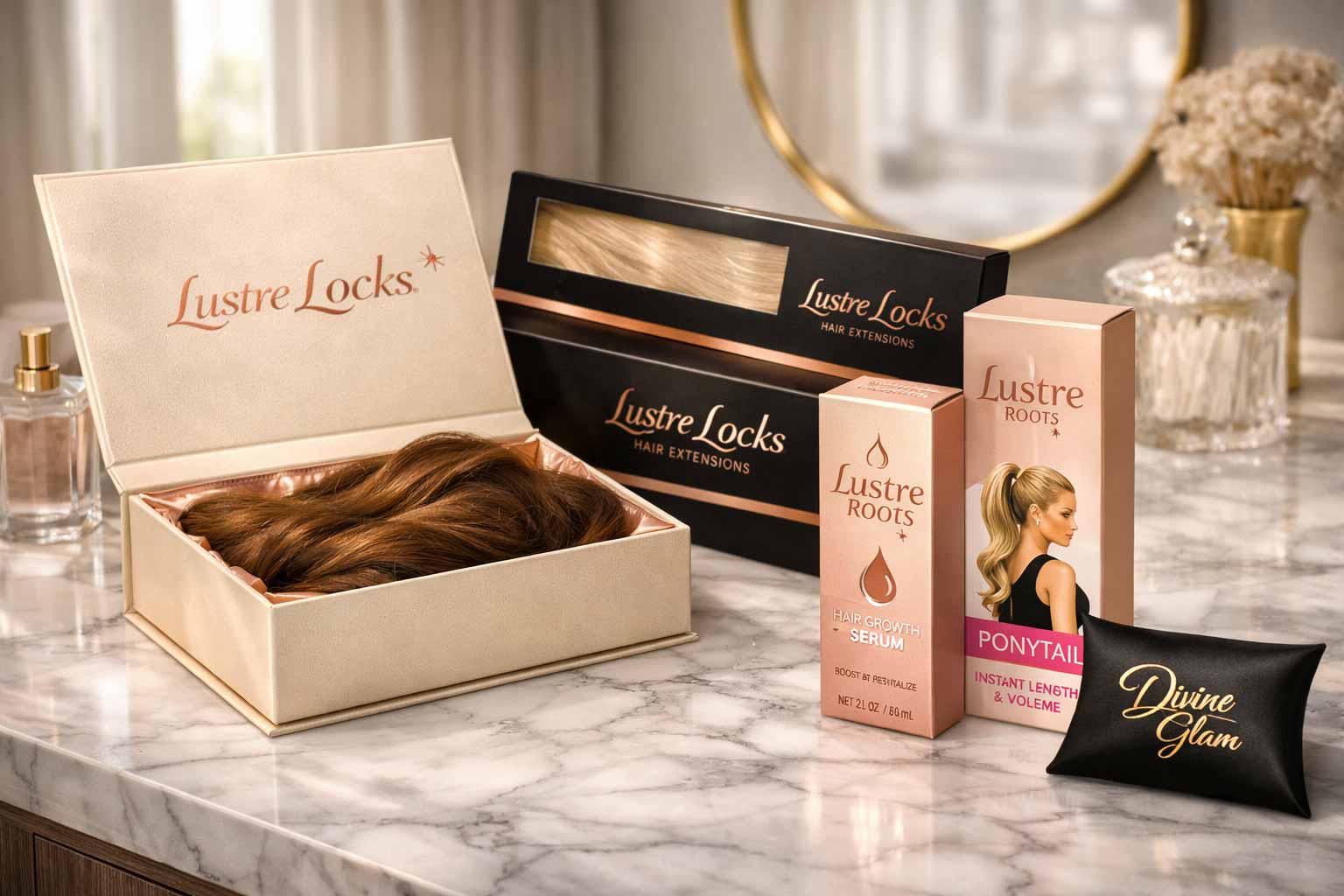
Artificial hair extension packaging is a printed box designed to protect wefts, clip-ins, tape-ins, or wigs while carrying the brand story. It works as both a marketing tool and a safeguard, so the best designs focus on strength, green choices, and a luxury feel.
The right box keeps hair in shape during storage and shipping. It also gives buyers an unboxing that sets a brand apart. If you sell wefts, clip-ins, tape-ins, or wigs, your custom hair extension packaging does far more than hold a product; it shapes how buyers judge quality before they ever touch the hair.
Why does packaging matter for hair extensions?
Packaging is the first physical touch between a brand and a buyer. It has to show quality, protect fibers, and back up the brand.
Well-made hair extension boxes lift the perceived value of what is inside. They sway the buy decision. That matters most here, where shoppers can not test the hair before they buy.
Strong packaging has three core jobs. First, draw the eye with clean visuals, color, and type. Second, protect the hair with rigid walls, fitted inserts, and moisture barriers so it will not tangle, crush, or pick up static. Third, inform: clear labels on length, texture, and care build trust.
Which box styles fit extensions and wigs?
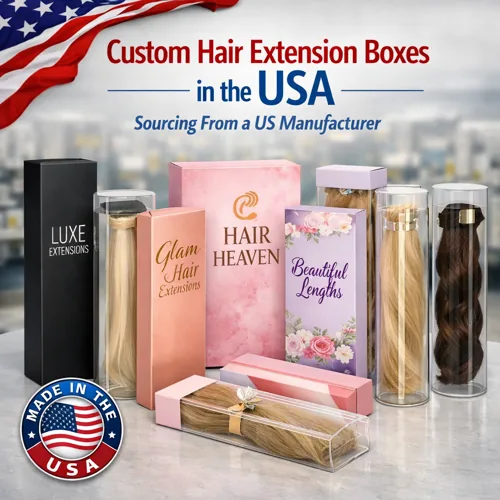
Different formats need different builds. Clip-in sets and wefts sell best in a flat rigid box for clip-ins or a windowed carton that frames the hair like a luxury good. Single bundles fit slim sleeves or pillow-style cartons. Full wig units need deeper boxes that hold the cap shape.
For direct-to-buyer brands, a sturdy mailer box for shipping protects the hair in transit and doubles as the retail box. Many sellers also pick a windowed display box for hair. That way the buyer can see the color and texture without breaking a seal.
What materials and design ideas help?
Modern packaging pairs strong build with clean style. Pick the material to match your goal – premium look, green cred, or plain shipping practicality.
| Material | Strengths | Best for |
|---|---|---|
| Rigid chipboard | High structural strength, premium look, recyclable | Luxury retail boxes for hair brands |
| Folding carton (paperboard) | Lightweight, cost-effective, ships flat | Everyday lines, high volume |
| Kraft paperboard | Eco-friendly, natural look, recyclable | Sustainable brands |
| Window cartons | Shows color and texture before opening | Retail shelves, color ranges |
Rigid board gives a clean, high-end look and safe shipping. Folding cartons are cheap and ship flat. Kraft and recycled stocks draw green-minded buyers. The right pick lines up the build with the price of the hair inside.
How do you design the unboxing?
For beauty packaging, the open is part of the product. Brands build loyalty with creative touches that make the reveal feel special:
- Magnetic closures for a premium, slow reveal – see magnetic closure boxes for unboxing.
- QR codes that link to styling tutorials or authenticity checks.
- Personalized thank-you cards that create an emotional connection.
- Foil-stamped logos, embossing, or soft-touch finishes that stand out on a shelf – explore options in our box finishes guide.
These small details turn a plain box into a medium that drives reviews, shares, and repeat buys.
How do you keep fibers safe in transit?
Synthetic and human-blend fibers tangle, flatten, and pick up static when they shift in a loose box. A fitted insert that cradles the bundle, a snug closure, and a moisture-aware liner keep the curl and shine intact from the warehouse to the buyer’s door.
For brands shipping nationwide, pair a protective insert with a right-sized box. That keeps damage and cost down at once – the same logic we cover in our inserts and unboxing guide.
How green is the market trend?
Green packaging keeps gaining ground. Shoppers prefer recyclable stocks, less plastic, and reusable builds.
Simple swaps get you started. Use recycled paperboard for boxes and sleeves. Pick soy- or water-based inks. Choose recyclable or compostable labels. Each cuts impact without a full redesign. Brands that align with these values protect the planet and lift their name at the same time.
See our sustainable cosmetic packaging guide and our recyclable eco-friendly hair boxes for greener routes. New trends include modular sets for different lengths and textures, scannable codes for product checks, and reusable boxes that double as storage.
What are the wholesale minimums?
Many hair brands want to test a design before a big run. As a US-based supplier in Cheshire, Connecticut, Packaging Vista prints custom hair extension boxes from a low minimum of 100 units. No die or plate fees. Free design help. Your first order stays cheap. For larger programs and reorders, see our note on wholesale custom boxes.
What info belongs on the box?
Hair buyers rely on the box to tell them what they are getting. Clear labels build trust and cut returns. Include the length, the texture or curl pattern, the color or shade code, the weight or number of wefts, and the origin (synthetic, human, or blend).
Put care notes on the box or an insert card. How to wash, store, and heat-style depends on the fiber, and synthetic and human hair are treated very differently. Add a shade swatch or a window so the buyer can see the real color. That cuts mismatched-color returns, one of the biggest pains in this category.
How do you match packs to price?
The build and finish should track the price of the hair inside. A budget synthetic clip-in set fits a printed folding carton. That keeps cost down and still looks tidy on a shelf.
A premium human-hair bundle or a full lace wig earns a rigid box with foil, embossing, or a soft-touch finish and a magnetic closure. The pack is part of what the higher price buys. A flimsy box around costly hair, or an over-built box around a starter product, sends the wrong signal.
Line the build up with the price. Browse the range on our custom printed packaging boxes page, from cheap cartons to premium rigid builds.
Frequently asked questions
What is the best box style for clip-in hair extensions?
A flat rigid box or a windowed carton works best. It frames the set, protects the wefts, and shows the color. Add a fitted insert to keep the clips from shifting in transit.
Can hair extension boxes be made eco-friendly?
Yes. Recycled paperboard, kraft stock, and soy- or water-based inks all cut impact. The box stays recyclable. We can suggest a greener build that still looks premium.
What is the minimum order for custom hair extension packaging?
We print custom boxes from a low minimum of 100 units. No die or plate fees. Free dieline. You can launch or test a design cheaply.
How long does production take?
Standard build is 8–10 days after artwork approval. We use offset or digital printing based on your run size and finish.
How do I choose the right box style for my hair line?
Match style to product format and price tier. Flat rigid boxes or windowed cartons for clip-in sets and wefts – the frame reads luxury and shows color. Slim sleeves or pillow-style cartons for single bundles. Deeper boxes that hold cap shape for full wig units.
Sturdy printed mailer boxes for DTC where the pack ships and doubles as retail. Match rigid to premium human hair, folding cartons to synthetic and value ranges.
What are the benefits of custom hair extension packaging over stock boxes?
Custom sizing cuts void space that lets wefts tangle and flatten in transit. Printed art carries brand recognition and color/length/texture cues so buyers know what they are getting. Fitted inserts keep bundles in shape. Window cutouts show real color and cut mismatched-color returns – one of the biggest pain points in the category.
And at a 100-box minimum with no die fees, custom is reachable for independent stylists and small hair brands, not just big importers.
What is the difference between a rigid box and a folding carton for hair extensions?
A rigid box uses thick greyboard wrapped in printed paper – heavy, non-flexing, gift-worthy. It reads luxe from the moment it is picked up and gets kept as storage. A folding carton is thin paperboard that ships flat and folds up at packing – lower cost, lighter freight, faster to assemble at volume.
Rigid suits premium human hair and lace wigs; folding cartons suit synthetic sets and high-volume value ranges.
How much does custom hair extension packaging cost?
Pricing is quote-based on size, stock, finish, and quantity, with no die, plate, or setup fees at the 100-box minimum. A printed folding carton with a window sits at the low-cost entry for synthetic clip-ins. A rigid magnetic-closure box with satin-faced insert, foil logo, and soft-touch finish sits at the premium end for luxury human hair.
Running the same dieline across multiple lengths and shades drops per-SKU setup work at reorder.
Which packaging option is best for premium human hair bundles?
A rigid lid-and-base or magnetic-closure box with a satin-faced fitted insert, one hero foil accent, and soft-touch lamination. This build reads luxe in the hand, protects the bundle from tangling and flattening, gets kept as long-term storage, and photographs well for unboxing content. Add a shade swatch or small window if buyers cross-shop color online.
Is premium packaging worth it for a hair extension brand?
For any brand selling human hair, lace wigs, or premium synthetic lines, yes. Buyers cannot test hair before buying, so the box is much of what they judge quality on. A rigid magnetic box lifts perceived value, justifies premium pricing, gets kept and reused (keeping the brand visible), and drives unboxing content on social.
For $30 synthetic clip-ins, a printed folding carton is enough – match the box tier to the hair tier.
Ready to package your line? Tell us your product, sizes, and brand look. Our team will suggest a build and draw a free dieline. Request your free quote or contact our team to start. For the full picture on materials, box styles, and design, see our cosmetic packaging guide.